
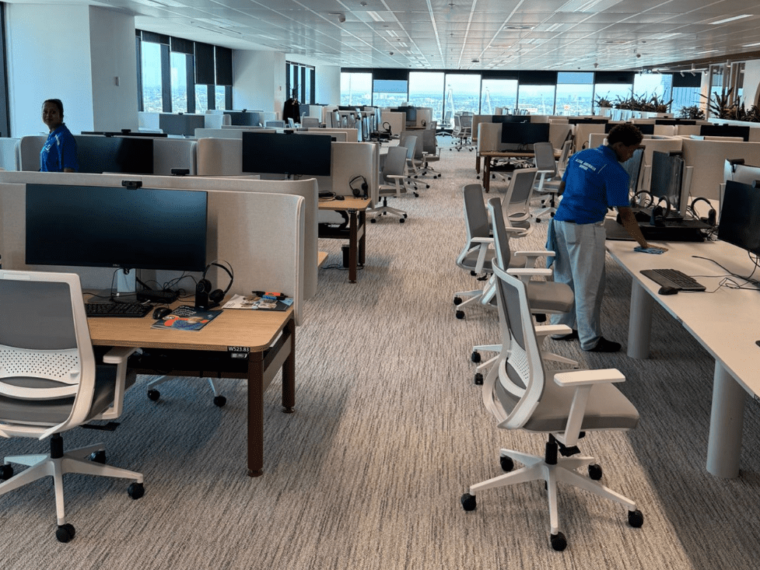
Some cleaners show up, do the basics, and disappear. Others run it like a system. And if a business is paying weekly or daily, they should expect more than a quick vacuum and a bin change.
This is what a proper ongoing arrangement should look like, on paper and in real life.
What should a regular cleaning contract actually include?
A contract should spell out scope, frequency, timing, and responsibilities. Not vague promises like “general cleaning”. That wording is where problems start.
A business should expect a written checklist that covers, at minimum:
- Floors (vacuum, mop, spot cleaning, edges)
- Desks and touchpoints (where applicable)
- Kitchens and break areas (benches, sinks, appliances exterior)
- Bathrooms (toilets, urinals, basins, mirrors, restocking if agreed)
- Bins (internal, liners replaced, waste taken to the right disposal area)
- Glass and entry areas (especially for street facing shops)
They should also expect clear notes on what is not included. Things like internal window detailing, high dusting, pressure washing, or steam carpet work are often add-ons. If that is not clear, the cleaner will assume it is extra, and the business will assume it was included. Same argument, every time. This is why many businesses work with cleaners bankstown that provide detailed scopes of work and transparent service inclusions.
How often should cleaners in Bankstown be coming in?
It depends on foot traffic, industry, and how picky clients are. A medical clinic and a small accounting office might both want “weekly” cleaning, but their version of clean is not the same.
A cleaner should be willing to recommend a schedule, not just sell the cheapest option.
Typical patterns look like:
- Retail and hospitality: several times a week, sometimes daily
- Offices: one to three times weekly, sometimes after hours
- Clinics: frequent cleaning plus extra attention to bathrooms and touchpoints
- Warehouses: usually weekly, but with targeted areas done more often
They should also clarify timing. After hours cleaning is common in Bankstown for offices and shops, but it needs to be agreed. Nobody wants a vacuum running through a client call.
What level of communication should a business expect?
If it is a regular contract, the cleaner should not be a stranger every visit. Even if different staff rotate, there should be a consistent supervisor or point of contact.
A business should expect:
- A named contact for issues and requests
- A simple way to log problems (text, email, QR checklist, whatever works)
- Notice if staffing changes affect timing
- Quick confirmation when extra work is requested
If communication is messy at the start, it rarely improves later. And the business ends up repeating the same instructions over and over, which defeats the point of outsourcing.
What should they expect around quality control and consistency?
A proper contract is not just about showing up. It is about staying consistent when things get busy, when staff change, and when the cleaner is having an off week.
They should expect some kind of quality control process, like:
- Periodic inspections
- A signed off checklist
- Photos for certain areas if agreed
- A process for fixing missed items without drama
If a cleaner gets defensive when feedback is given, that is usually a bad sign. Good cleaners want specifics. “The bathroom smelled bad” is hard to action. “Toilet base and floor behind the door were missed” is fixable.
Who supplies equipment and consumables in a regular contract?
This one causes more confusion than it should.
They should expect the contract to clearly state:
- Whether the cleaner brings their own equipment (vacuum, mop system, chemicals)
- Whether the business supplies consumables (toilet paper, soap, paper towel)
- Whether the cleaner can supply consumables and invoice them separately
- Storage expectations (where supplies are kept, who has access)
Some Bankstown businesses prefer cleaners to bring everything to avoid storage issues. Others want supplies onsite for cost control. Either is fine. What is not fine is guessing.
What should they expect regarding security, keys, and access?
A lot of contracts in Bankstown are after hours. That means alarms, keys, swipe cards, and sometimes shared buildings.
A business should expect:
- A clear keyholding process (who holds keys, how they are labelled, what happens if lost)
- Cleaner names recorded if they have access
- Alarm procedures documented
- Doors and windows checked before leaving if that is part of the job
If a cleaner is vague about access control, that is not a small thing. It is the whole risk profile.
How should pricing and contract terms usually work?
They should expect pricing to match the scope, not the other way around. If a cleaner quotes low and then rushes every visit, the business ends up paying for frustration.
A regular contract should clearly state:
- Price per visit or per week, including GST if relevant
- What triggers extra charges (deep cleans, spills, event resets)
- Minimum term if any
- Notice period to cancel
- How often pricing can be reviewed
They should also expect transparency about how the quote was built. Square metres, number of bathrooms, kitchen type, carpet vs tile, and foot traffic matter. If none of that was discussed, the quote is probably guesswork. A detailed commercial cleaning cost guide can help explain how these factors influence pricing.
What should they expect if something goes wrong?
Things do go wrong. A spill gets missed. A bin leaks. Someone breaks a soap dispenser. A cleaner forgets to lock a door. The question is how it is handled.
They should expect:
- Public liability insurance details available on request
- A documented incident process
- Clear responsibility boundaries for damages
- Fast response for urgent issues, especially for bathrooms and entrances
A cleaner who disappears when there is a problem is not a contractor, they are a gamble.
How can they tell if the cleaner is a good long term fit?
In the first few weeks, patterns show up fast.
A business should look for:
- They arrive on time and finish properly, not in a rush
- The same areas stay clean week after week
- Small details improve without being asked twice
- They flag issues early, like leaking taps or mould starting in corners
- They are easy to reach and easy to deal with
A good contract feels boring. No surprises, no weird smells on Monday, no complaints from staff. Just consistently clean spaces that make the business look sharper than it really had time to manage.
That is what they should expect from cleaners in Bankstown on a regular contract. Consistency, clarity, and a system that actually holds up when things get busy.
FAQs (Frequently Asked Questions)
What should a regular cleaning contract in Bankstown include?
A proper cleaning contract should clearly outline the scope, frequency, timing, and responsibilities. It must include a detailed checklist covering floors (vacuuming, mopping, spot cleaning), desks and touchpoints, kitchens and break areas, bathrooms (toilets, basins, mirrors, restocking if agreed), bins (internal waste management), and glass or entry areas. It should also specify what services are excluded, such as internal window detailing or steam carpet cleaning.
How often should cleaners visit different types of businesses in Bankstown?
Cleaning frequency depends on foot traffic and industry type. Retail and hospitality venues may require daily or several times weekly cleaning; offices typically need one to three visits weekly; clinics demand frequent cleaning with extra attention to hygiene; warehouses usually get weekly service with targeted tasks more often. Cleaners should recommend schedules tailored to each business’s needs.
What level of communication is expected from a regular cleaning service?
Businesses should expect consistent communication through a named contact person for issues and requests. There should be an easy way to log problems like via text or email, timely notice if staffing changes affect service timing, and quick confirmations when extra work is requested. Effective communication prevents repeated instructions and ensures smooth outsourcing.
Who is responsible for supplying equipment and consumables under a regular cleaning contract?
The contract should clearly state whether the cleaner provides their own equipment (vacuums, mops, chemicals) or if the business supplies consumables like toilet paper and soap. It should also clarify if the cleaner can supply consumables separately invoiced and storage arrangements. Clear terms prevent misunderstandings about supplies and costs.
What security measures should be expected in after-hours cleaning contracts in Bankstown?
Contracts involving after-hours service must detail keyholding procedures including who holds keys or swipe cards and labeling protocols. Cleaner names with access should be recorded; alarm system procedures documented; and checks on doors/windows before leaving included if part of the job. Vague access control increases risk and is unacceptable.
How are pricing and contract terms usually structured for regular cleaning services?
Pricing should reflect the agreed scope of work rather than dictating it. Contracts commonly state price per visit or week (including GST), triggers for extra charges like deep cleans or event resets, minimum terms if any, cancellation notice periods, and how pricing reviews occur. Transparency about quote calculation factors such as square meters or foot traffic ensures fair pricing.
Click here What Types of Businesses in Taree Need Dedicated Cleaners?